Tubeless Versus Tubed Mountain Bike Tire Setups Compared
Riders debating tubeless versus tubed setups often hear strong opinions from both sides without much explanation of why one might suit their situation better than the other. Tubeless systems have become the default recommendation at most bike shops, yet tubed setups still make sense for certain riders, budgets, and riding styles. Weekend riders who just want reliable performance without much maintenance face a different decision than competitive racers chasing every possible advantage in rolling resistance and puncture protection. Cost is another factor that rarely gets discussed honestly, since tubeless conversion involves sealant, valves, and compatible rims that add up beyond the price of the tire itself. This comparison walks through how each system actually performs on the trail, what maintenance each one demands, and which riders tend to benefit most from making the switch, so you can decide based on your actual needs rather than general trends in the sport.
How Each System Actually Works
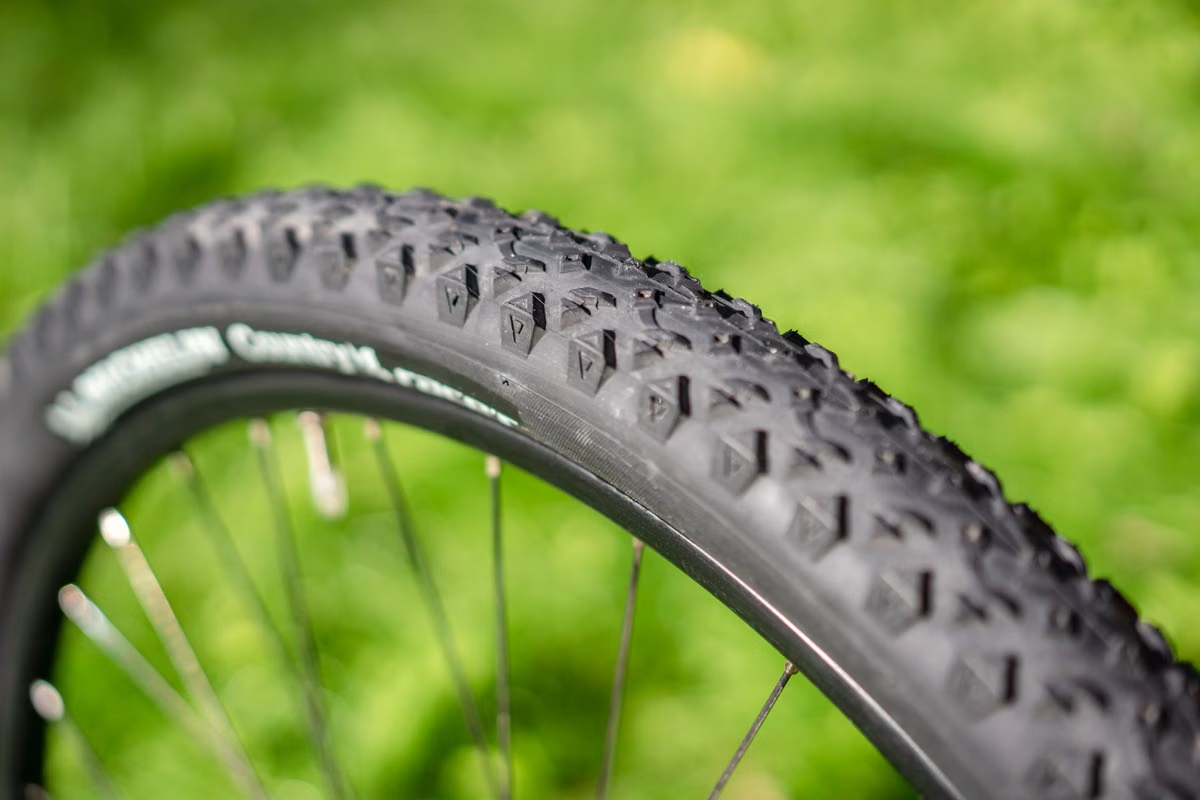
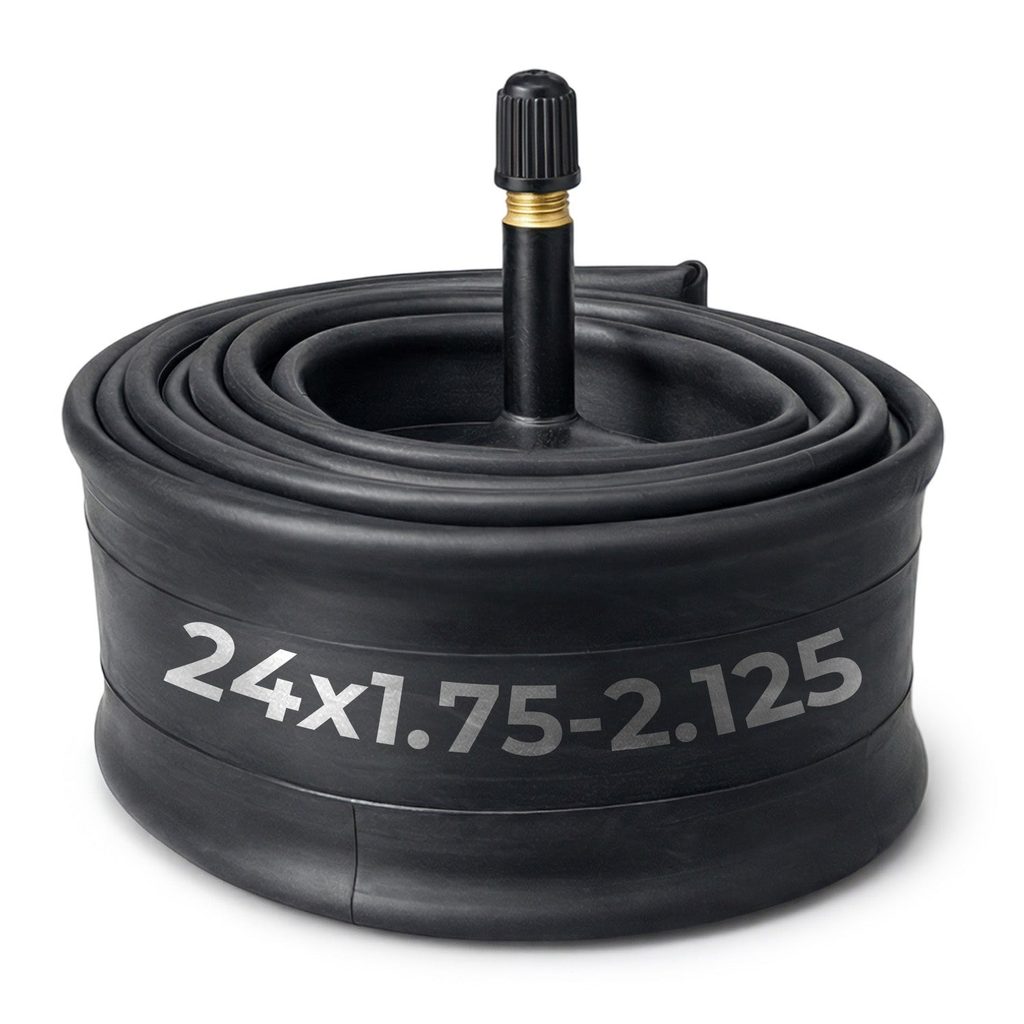
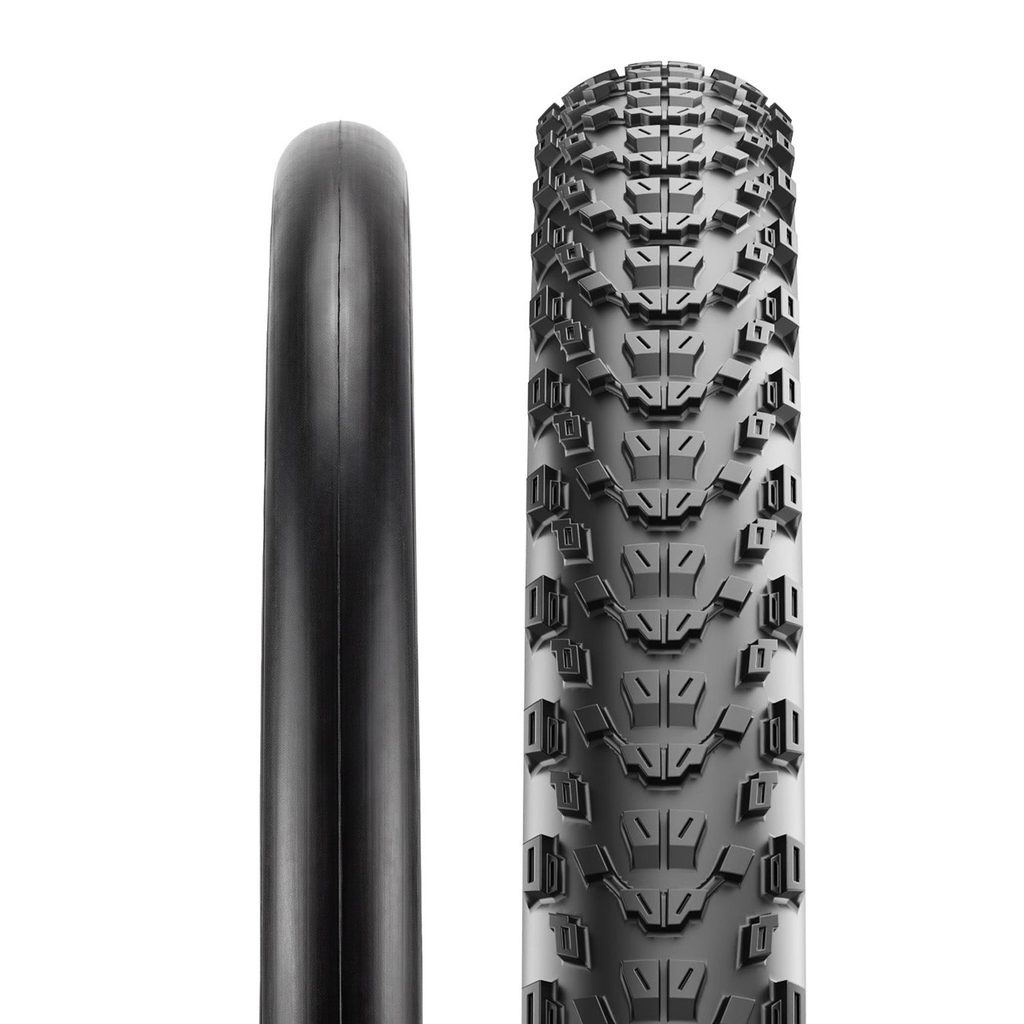
A tubed setup relies on an inner tube holding air inside the tire, sealed against the rim by tire pressure alone. It is the simpler, more familiar system, requiring no special rim design and allowing quick tube replacement if a puncture occurs mid-ride. A tubeless setup removes the tube entirely, instead relying on an airtight seal between tire bead and rim, reinforced with liquid sealant that fills small punctures as they happen. This fundamental difference changes how each system responds to trail hazards, and it is worth checking whether a given mountain bike tire is tubeless-ready before committing to a conversion. A sharp rock strike on a tubed setup can pinch the tube against the rim, causing an instant flat, while the same impact on a properly set up tubeless tire often seals itself within seconds without the rider even noticing.
Performance Differences on the Trail
Beyond puncture resistance, tubeless setups allow riders to run noticeably lower tire pressure without the pinch-flat risk that limits tubed systems. Lower pressure increases the tire’s contact patch and lets it conform more closely to rocks and roots, translating into measurably better traction on technical terrain.
Rolling Resistance and Comfort
Removing the tube also eliminates a layer of friction between tire and rim, which slightly reduces rolling resistance and improves ride comfort by removing one more rigid component from the wheel system. Racers chasing marginal gains often cite this as a key reason for going tubeless, since the difference becomes measurable over long rides or repeated laps.
Failure Modes to Consider
Tubeless systems are not without downsides. Large gashes beyond what sealant can handle still require a tube as a backup, meaning tubeless riders typically carry one anyway for emergencies. Sealant also needs periodic refreshing as it dries out inside the tire, an easy maintenance step to forget until a small puncture fails to seal properly on the trail.
Maintenance and Cost Realities
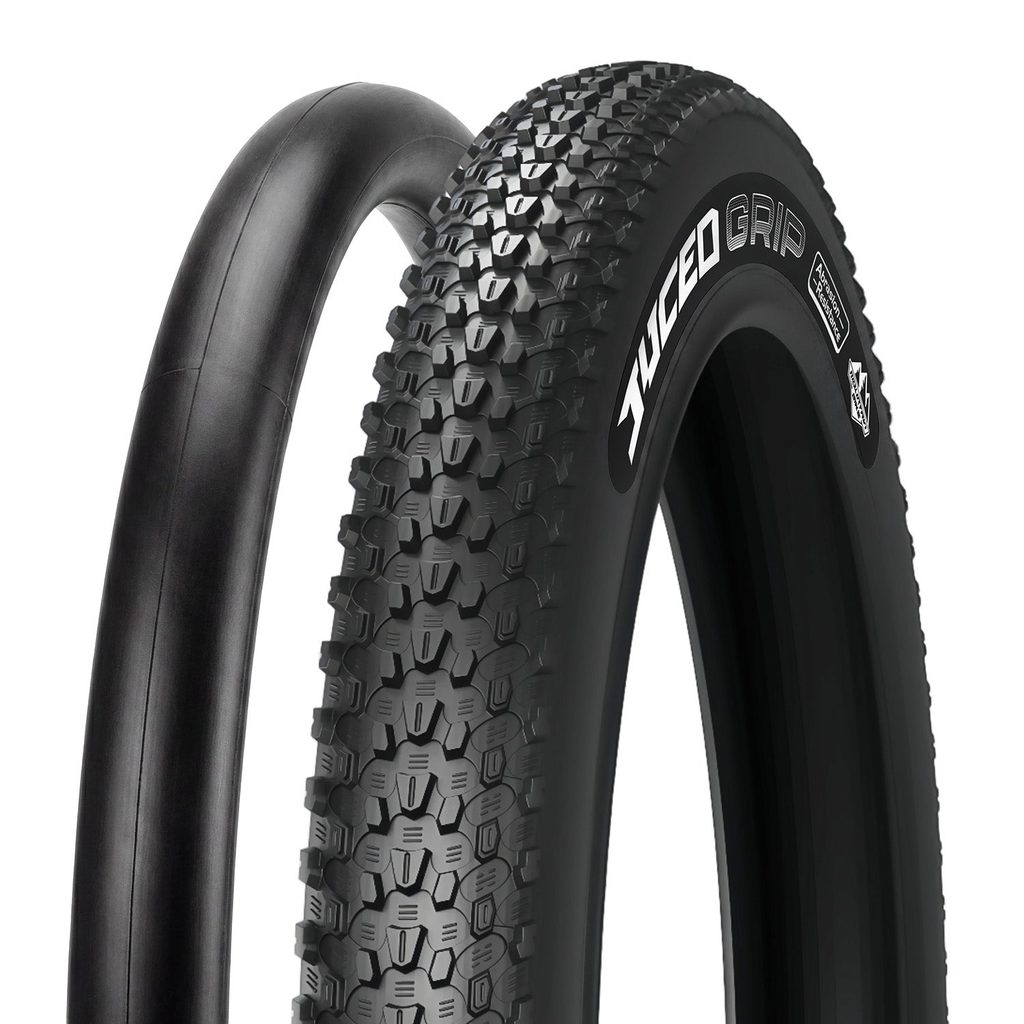
Tubed setups are cheaper to start and simpler to maintain, since there is no sealant to refresh and no specific rim compatibility to verify before buying a tire. This makes tubed systems a reasonable choice for casual riders who prioritize simplicity over marginal performance gains, or for anyone riding a bike with rims not designed for tubeless conversion. Tubeless setups demand more upfront investment and occasional maintenance, but that investment pays off for riders logging frequent miles on rough terrain where puncture protection and lower pressure genuinely change how the bike performs. Juceo’s tubeless-ready tire options make the transition more straightforward for riders who decide the tradeoff is worth it, since compatibility with tubeless rims removes one common point of frustration during setup.
Deciding Which Setup Fits You
The right choice depends heavily on where and how often you ride. Riders sticking to smoother, less technical trails may never notice a meaningful difference between the two systems, making the simplicity of tubed tires perfectly reasonable. Riders tackling rocky, root-heavy, or high-speed technical terrain tend to benefit substantially from tubeless setups, both in reduced flat frequency and improved cornering grip at lower pressures. Budget also plays a role, since tubeless conversion kits and compatible rims represent a real cost that should be weighed against how much the performance gain actually matters for your typical rides.
Choosing Between Simplicity and Performance
Tubeless and tubed setups both have legitimate places in mountain biking, and neither is objectively correct for every rider. Tubed systems offer simplicity and lower cost, while tubeless setups reward riders willing to invest a bit more time and money with better puncture resistance and improved traction at lower pressures. Weigh your typical terrain, riding frequency, and budget honestly before deciding, and remember that switching systems later is always an option if your priorities change. Whichever setup you choose, understanding how it actually works on the trail helps you get more consistent performance out of it.