Why Small Moisture Problems Turn Into Expensive Renovation Projects
Moisture problems are among the most underestimated issues in any home. A small water stain on the ceiling, a slightly damp wall, or a little condensation around windows may seem like minor concerns that can be fixed later. However, these small signs often indicate deeper problems developing behind walls, under floors, or inside building materials.
Many expensive home renovations begin with something that looked insignificant at first. The reason is simple: moisture rarely stays in one place. When water enters areas where it does not belong, it slowly affects the structure, materials, indoor air quality, and overall condition of the home.
Understanding how minor moisture issues grow into major repairs can help homeowners take action early, protect their investment, and avoid unnecessary renovation costs.
How Moisture Enters a Home
Water can enter a home in many different ways. Some problems are obvious, such as a leaking roof or burst pipe, while others develop slowly and remain hidden for months or even years.
Common sources of household moisture include:
- Roof leaks
- Plumbing leaks
- Poor drainage around the foundation
- Damaged gutters and downspouts
- Bathroom humidity
- Poor ventilation
- Basement water intrusion
- Condensation from temperature differences
- Faulty windows and door seals
A small leak may only introduce a small amount of water, but repeated exposure allows moisture to accumulate. Over time, materials that were designed to stay dry begin to weaken.
Why Small Water Issues Become Bigger Problems
Moisture damage usually follows a gradual process. In the beginning, the signs may only appear cosmetic, but the damage underneath can continue growing.
For example, a small ceiling stain caused by a roof leak may not seem serious. A homeowner might paint over it and assume the problem is solved. However, if water is still entering from the roof, the ceiling material may continue absorbing moisture. Eventually, the drywall can weaken, insulation can become damaged, and wooden structures may begin to deteriorate.
The visible problem is often just the surface-level symptom of a larger issue.
Moisture Damages Building Materials Slowly
Most home materials are not designed to handle continuous exposure to water.
Drywall and Interior Walls
Drywall can absorb moisture quickly. Once it becomes wet, it may lose strength, develop stains, and start to crumble. In many cases, damaged drywall needs to be removed and replaced rather than repaired.
Wood Structures
Wood is especially vulnerable to long-term moisture exposure. Constant damp conditions can cause swelling, warping, and eventually wood rot. Structural components such as floor joists, wall framing, and roof supports can become expensive to replace if damage spreads.
Flooring
Moisture underneath flooring can create serious problems. Hardwood may warp, laminate may separate, and carpet can develop unpleasant odors. Hidden moisture beneath floors is also difficult to detect without proper inspection.
Insulation
Wet insulation loses much of its effectiveness. Instead of helping regulate indoor temperature, damaged insulation can increase energy costs and create conditions where mold growth becomes more likely.
Mold Growth Can Increase Repair Costs
One of the biggest concerns with moisture problems is mold.
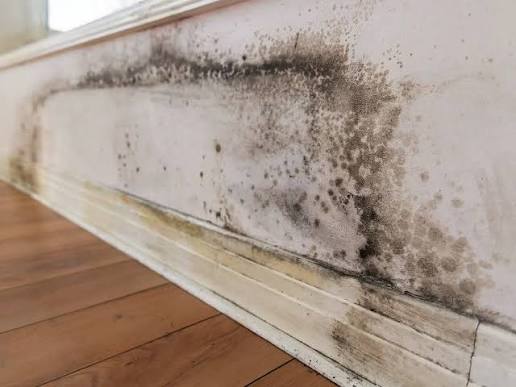
Mold does not need a major flood to grow. It only requires moisture, oxygen, and a suitable surface. A small hidden leak inside a wall can create the perfect environment for mold development.
Once mold spreads, homeowners may need more than simple repairs. The affected materials may need removal, professional cleaning, and replacement. In severe cases, entire sections of walls, ceilings, or flooring may require renovation.
Preventing moisture is usually much cheaper than dealing with widespread mold damage later.
Small Leaks Can Affect Energy Efficiency
Many homeowners do not realize that moisture problems can increase energy costs.
When insulation becomes wet or damaged, heating and cooling systems have to work harder to maintain comfortable temperatures. Poor ventilation caused by moisture buildup can also create an uncomfortable indoor environment.
A home with moisture issues may feel colder in winter, warmer in summer, and less efficient overall.
Addressing water problems early can improve comfort while reducing long-term maintenance expenses.
The Hidden Cost of Ignoring Moisture Issues
The biggest mistake homeowners make is waiting until the problem becomes obvious.
A small repair today might involve replacing a damaged seal, fixing a pipe connection, improving drainage, or repairing a small section of roofing. Ignoring the issue can transform a simple maintenance task into a complete renovation project.
For example:
- A small bathroom leak can damage flooring, cabinets, and walls.
- A minor foundation moisture issue can lead to basement repairs.
- A small roof leak can damage insulation, ceilings, and electrical components.
- Poor exterior drainage can create foundation problems.
The longer moisture remains uncontrolled, the more areas it can affect.
Warning Signs Homeowners Should Not Ignore
Early detection is one of the best ways to prevent expensive repairs. Homeowners should pay attention to signs such as:
- Musty smells inside rooms
- Water stains on ceilings or walls
- Peeling paint or bubbling wallpaper
- Cracked or swollen flooring
- Increased indoor humidity
- Mold spots around windows or bathrooms
- Damp basement areas
- Unexplained increases in energy bills
These signs do not always mean there is major damage, but they deserve investigation.
How to Prevent Moisture Problems Before They Grow
Regular maintenance can prevent many moisture-related renovation issues.
Maintain Gutters and Drainage
Blocked gutters can force water toward the foundation. Keeping gutters clean and ensuring downspouts direct water away from the home helps prevent water intrusion.
Improve Bathroom Ventilation
Bathrooms produce significant moisture through showers and baths. Proper exhaust fans and ventilation help control humidity levels.
Check Plumbing Regularly
Small plumbing leaks often remain unnoticed. Inspect areas under sinks, around toilets, and near appliances for signs of moisture.
Seal Vulnerable Areas
Windows, doors, roofs, and exterior cracks should be checked regularly. Proper sealing prevents water from entering during rain and storms.
Schedule Inspections
Professional inspections can identify hidden moisture problems before they become expensive repairs. This is especially important when buying an older home or planning a major renovation.
Why Early Action Saves Money
Home improvement is often about protecting the condition of the property before problems become severe. Moisture control is one of the best examples of this approach.
Repairing a small leak may cost far less than replacing damaged walls, flooring, insulation, or structural components. Early action also protects the home’s value and prevents disruptions caused by major renovation work.
A home does not usually become expensive to repair overnight. In many cases, costly renovation projects begin with small problems that were ignored for too long.
Final Thoughts
Small moisture problems should never be considered harmless. A tiny leak, damp spot, or condensation issue can slowly damage materials, encourage mold growth, reduce energy efficiency, and eventually require expensive repairs.
The best approach is early detection, regular maintenance, and addressing the source of moisture instead of only covering visible damage. Homeowners who treat small warning signs seriously can avoid major renovation costs and keep their homes safer, healthier, and more valuable for years to come.