How to Choose Durable Interior Wall Panels for High-Traffic Residential Living Spaces
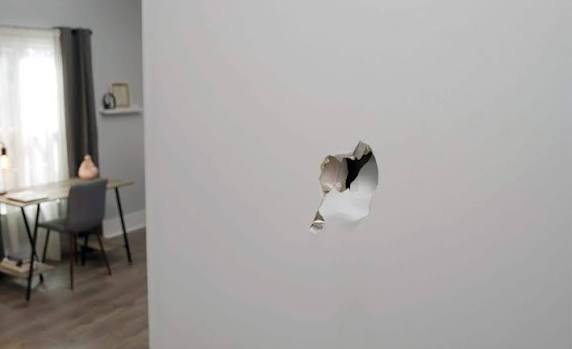
Standard drywall was never designed for a hallway that takes a daily battering from school bags, a mudroom where wet boots and bicycle handlebars swing past, or a playroom where toy cars become projectiles. In high-traffic residential spaces, ordinary plasterboard dents, scuffs, and cracks, and the repair cycle never really ends. Durable interior wall panels solve the problem at the source: they put a harder, tougher surface where the damage happens, and many of them look better than the drywall they replace.
The short answer is to match the panel to the punishment. Abuse-resistant and impact-resistant gypsum boards suit hallways and stairwells, PVC and WPC panels suit wet and muddy areas, and wood or MDF slat panels suit living spaces where looks matter most. Choose by impact level, moisture exposure, and cleanability, not by appearance alone, and pay attention to corners and lower wall sections, where almost all the damage happens.
Where High-Traffic Walls Actually Take Damage
Damage is not evenly spread across a wall. It concentrates in a band between knee and shoulder height, where bags swing, furniture scrapes, and shoulders brush past, and at corners, where vacuum cleaners, toy cars, and chair legs strike the same spot hundreds of times. Stairwells collect scuffs from hands and carried objects, mudrooms take wet and muddy contact at floor level, and the wall behind a dining table takes chair-back impacts every single day.
- Hallways and stairwells: bag swings, shoulder rubs, and handrail-side scuffs.
- Mudrooms and entries: wet boots, sports kit, pushchair wheels, and pet claws.
- Playrooms and children’s bedrooms: toys, furniture dragged across floors, and wall climbing.
- Kitchens and dining areas: chair backs, trolley bumps, and splashes at worktop height.
- Corners everywhere: vacuum cleaners and furniture legs hitting the same edge repeatedly.
Walking the house with fresh eyes usually reveals the pattern in minutes. Look for dented corners, black scuff marks at bag height, and soft spots in drywall near doorways, and note which rooms get wet as well as which get knocked. A wall that only takes knocks needs impact resistance; a wall that also gets wet needs moisture resistance too, and that combination narrows the choice considerably.
Which Wall Panel Materials Survive Daily Abuse in Busy Homes?
The two kinds of damage matter, because they need different solutions. Abuse resistance is about repetitive, low-force contact: backpacks, furniture edges, and feet brushing past, day after day. Impact resistance is about single hard strikes: a chair leg, a falling object, or a toy thrown across a room. Abuse-resistant boards have a harder face and a reinforced core that resist dents and scuffs; impact-resistant boards add heavier reinforcement that absorbs a hard hit without cracking through.
Beyond gypsum, the panel market has grown quickly. PVC wall and ceiling boards are waterproof, wipe clean, and install fast with a tongue-and-groove system, which makes them ideal for mudrooms, laundry rooms, and basements. WPC, or wood-plastic composite, panels combine wood fibres with polymer resin for a warm look with strong moisture and scratch resistance. Solid timber, MDF slats, and decorative PS panels bring the most design range, but they need sealing in wet areas and are less forgiving of hard impacts than reinforced gypsum.
Matching Panels to Each Room in the House
The hallway is the hardest-working wall in most homes, and it deserves the toughest treatment. Abuse-resistant or impact-resistant gypsum with reinforced corner beads handles the daily contact, and a washable paint finish makes scuffs easy to remove. A chair rail or wainscot at impact height adds a second layer of defence and looks intentional rather than protective, especially in a traditional interior.
- Mudroom and entry: PVC or WPC panels to full height, or at least to splash height, with a wipe-clean finish.
- Kitchen and dining: impact-resistant gypsum behind chairs, plus a washable splash zone near worktops.
- Playroom: impact-resistant gypsum with reinforced corners; avoid glass or mirror panels at child height.
- Bathroom and laundry: PVC boards or moisture-rated panels; never standard MDF near water.
- Living room feature wall: WPC fluted panels or timber slats, where looks lead and impacts are light.
How Durable Wall Panels Are Installed
Most durable panels are designed for straightforward installation, and many are sold as DIY-friendly systems. The general sequence is the same across materials: prepare a flat, dry substrate, plan the layout so cuts fall in unobtrusive places, fix the first panel perfectly level, and work outward from there. Rushing the first panel is the most common error, because every panel after it follows its line.
Check the wall. Repair loose plaster, remove protruding fixings, and make sure the surface is dry; damp walls must be fixed before panelling, not covered up.
Plan the layout. Measure the wall, dry-lay panels to avoid slivers at the ends, and mark stud positions for fixing.
Fix battens if needed. Some systems fix direct to the wall, others need horizontal battens for a level base and a service void.
Install the first panel level. Use a long spirit level, not a short one, and check both directions before fixing.
Work across the wall. Engage tongue-and-groove joints fully, fix through the hidden flange, and keep joints tight.
Finish edges and corners. Fit matching trims, corner beads, and sealant at wet-area junctions.
Seal and paint where required. Seal cut edges on MDF and timber, and paint gypsum panels with a washable finish.
Moisture, Mould, and Fire: The Checks Buyers Forget
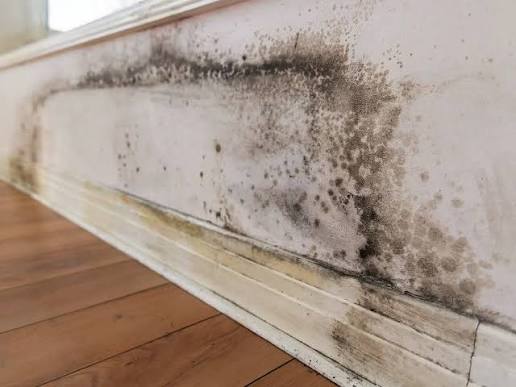
Moisture is the quiet killer of wall panels. Standard MDF swells and crumbles when it gets wet, and even moisture-resistant MDF is only rated for humidity, not direct water contact. PVC and WPC panels are genuinely waterproof, which is why they dominate bathrooms, laundry rooms, and basements. Abuse-resistant gypsum boards with moisture-resistant facers exist too, but they still need proper ventilation and a dry substrate to perform.
- Never fit standard MDF or untreated timber in a bathroom, laundry, or below-grade room.
- Check fire ratings for panels in hallways and stairwells, which are escape routes.
- Look for low-formaldehyde or formaldehyde-free boards, especially in children’s rooms.
- Leave a small expansion gap at panel ends in rooms with big temperature swings.
- Seal the joint between panels and floors in wet rooms so water cannot wick behind them.
Fire performance is easy to overlook and important in the wrong places. Gypsum boards are naturally fire-resistant, while some plastic panels need a specific fire rating for use in escape routes. Check the manufacturer’s data sheet rather than assuming, and keep the rating certificate with the house records, because a future buyer or insurer may ask for it.
Making Tough Panels Look Like Good Design
The best durable wall is one nobody notices as durable. Modern panels come in timber-look, stone-look, fluted, and flat finishes that suit almost any interior, and the trick is to treat the panel as a design feature rather than a repair. A fluted WPC feature wall in a living room, a half-height panelled hallway in a period home, or a full-height PVC wall in a mudroom all read as deliberate choices when the colour and profile match the rest of the room.
Colour and texture do more work than most people expect. A mid-tone panel hides scuffs far better than pure white or very dark finishes, and a textured or fluted surface disguises small marks that would show on a flat gloss surface. Keep the panel profile consistent through the house, use the same trim details in every room, and resist the urge to mix three different panel systems in one hallway, because visual calm is part of what makes a durable wall look expensive.
A Maintenance Checklist That Keeps Panels Looking New
Durable panels earn their name only if they are maintained, and the good news is that maintenance is simple. Most marks wipe off with a damp cloth and mild soap, and the panels themselves rarely need repainting. The parts that fail first are the edges, joints, and sealant, so those are what the checklist should focus on.
- Wipe scuffs monthly with a damp cloth and mild soap; avoid abrasive pads on gloss finishes.
- Check corner beads and trims twice a year for loosening or cracking.
- Re-seal wet-area joints annually, and replace any sealant that has pulled away.
- Touch up paint on gypsum panels promptly so small chips do not spread.
- Keep a spare panel or two from the original batch for invisible repairs.
- Vacuum fluted panels with a brush attachment to stop dust building in the grooves.
One habit saves more panels than any product: keep the cause of the damage in mind. If the same corner keeps getting hit, a small corner guard or a change in furniture layout fixes the problem permanently, while replacing the panel only resets the clock. Durable walls work best when the household layout stops fighting them.
What Durable Wall Panels Cost, in Broad Terms
Costs vary by material, region, and whether the work is DIY or contracted, so treat any figure as a broad estimate rather than a quote. Abuse-resistant and impact-resistant gypsum boards cost more than standard drywall per sheet, but the premium is modest, and the saving comes from fewer repairs over the life of the wall. PVC and WPC panels cost more per square metre, but they install faster and need no painting, which offsets much of the difference on a whole-room job.
The honest comparison is lifetime cost, not purchase price. A hallway that needs repainting and patching every year costs more over a decade than a panelled hallway that needs a wipe-down, and the same logic applies to mudrooms and playrooms. Get quotes per square metre including trims and fixing, ask what is included, and be wary of any price that looks too good, because it usually means thin panels or missing trims.
When to Call a Professional Wall Panel Installer
Many panel systems are genuinely DIY-friendly, especially tongue-and-groove PVC and WPC boards on a single flat wall. The job becomes professional work when the wall is uneven, when panels must be fitted around stairs or curved surfaces, when fire-rated assemblies are involved, or when the project covers several rooms and the finish needs to be consistent throughout.
A professional installer also brings the right cutting tools, which matter more than they seem: a clean cut is the difference between a tight joint and a visible gap, especially on fluted and gloss panels. Ask for photos of previous work in similar rooms, confirm the fire rating of the proposed panels in writing, and make sure the quote includes trims, sealant, and making good, not just the panels themselves.
Final Thoughts: Choose Durable Wall Panels for the Life Your Home Actually Lives
A home’s walls should match the life lived against them. In a busy family home, that means panels that resist knocks, shrug off moisture, and wipe clean, chosen room by room rather than by catalogue photo. Start with the hallway and the mudroom, where the damage is worst, and let the living spaces follow with panels chosen for looks.
The right panel is the one that still looks good in five years, not the one that looks best on the day it goes up. Match the material to the punishment, protect the corners, and keep the finish calm and consistent. Do that, and the walls stop being a maintenance chore and start being part of the design.
Durable Interior Wall Panels FAQs
What is the difference between abuse-resistant and impact-resistant drywall?
Abuse resistance handles repetitive low-force contact such as bags and furniture edges, while impact resistance handles single hard strikes. Impact-resistant boards have heavier reinforcement and are tested to a higher standard, often ASTM C1629 or similar.
Are PVC wall panels suitable for living rooms?
Yes, in the right design. Modern PVC and WPC panels come in timber and stone finishes that suit living rooms, but for a feature wall, WPC fluted panels usually look better than flat PVC boards.
Can I install wall panels over existing drywall?
Usually yes, provided the existing wall is sound, dry, and flat. Remove loose material, fix any damp first, and check whether the panel system needs battens or can fix directly to the wall.
Do wall panels help with soundproofing?
Some do. Dense panels and acoustic slat systems can reduce echo and some sound transfer, but they are not a substitute for proper acoustic insulation inside the wall if noise is the main problem.
How do I clean durable wall panels?
Most panels wipe clean with a damp cloth and mild soap. Avoid abrasive cleaners on gloss finishes, and vacuum fluted panels with a brush attachment to clear dust from the grooves.
Will durable panels increase my home’s value?
Well-chosen panels in high-traffic areas can help, because buyers notice walls that look new. The gain comes from the overall condition of the home, not from the panels alone, so keep the finish consistent and tasteful.