Why Homeowners Are Moving Toward Low-Maintenance Building Materials for Long-Term Savings
Home improvement decisions are no longer based only on appearance and upfront costs. Modern homeowners are becoming more focused on how much time, effort, and money a material will require throughout its entire lifespan. A beautiful exterior, stylish flooring, or attractive outdoor space can lose its value if it demands constant repairs, cleaning, repainting, or replacement.
This is why low-maintenance building materials are becoming increasingly popular among homeowners. These materials are designed to handle everyday wear, changing weather conditions, moisture, pests, and aging with less intervention. While some low-maintenance options may have a higher initial cost, many homeowners find that they provide better long-term savings by reducing repair expenses and maintenance work.
The shift is not only about saving money. It is also about convenience, sustainability, durability, and creating homes that are easier to manage in busy lifestyles.
What Are Low-Maintenance Building Materials?
Low-maintenance building materials are products designed to maintain their performance and appearance with minimal upkeep compared to traditional alternatives.
Traditional materials often require regular attention. For example:
- Wood siding may need frequent painting or sealing.
- Natural stone can require cleaning and protective treatments.
- Traditional roofing materials may need regular inspections and repairs.
- Wooden decks may require staining and weather protection.
Low-maintenance alternatives aim to reduce these responsibilities through improved manufacturing techniques, protective coatings, and advanced material designs.
Common examples include:
- Fiber cement siding
- Composite decking
- Metal roofing
- Engineered wood products
- Vinyl windows
- Quartz countertops
- Composite exterior materials
- Advanced insulation systems
These materials help homeowners spend less time maintaining their property and more time enjoying it.
Rising Maintenance Costs Are Changing Homeowner Decisions
One of the biggest reasons homeowners are choosing durable materials is the increasing cost of home maintenance.
Labor costs, material prices, and professional service fees have increased in many areas. Simple maintenance tasks that were affordable years ago can now become significant expenses.
For example, repainting a home’s exterior may involve:
- Material costs
- Professional labor
- Surface preparation
- Repairs before painting
- Future repainting cycles
A homeowner may spend thousands over several years maintaining traditional materials. A more durable alternative with longer performance can reduce these repeated expenses.
Many homeowners now consider the total cost of ownership instead of focusing only on the purchase price.
The Importance of Life Cycle Costs in Home Improvement
A common mistake in renovation projects is choosing materials based only on initial cost. A cheaper product may become more expensive over time if it requires frequent repairs or replacement.
Life cycle cost considers:
- Purchase price
- Installation expenses
- Maintenance requirements
- Repair frequency
- Expected lifespan
- Replacement costs
For example, a roofing material with a higher upfront investment may last decades longer and require fewer repairs compared to a cheaper option.
This approach helps homeowners make smarter financial decisions by looking at long-term value rather than short-term savings.
Popular Low-Maintenance Materials Homeowners Are Choosing
Fiber Cement Siding
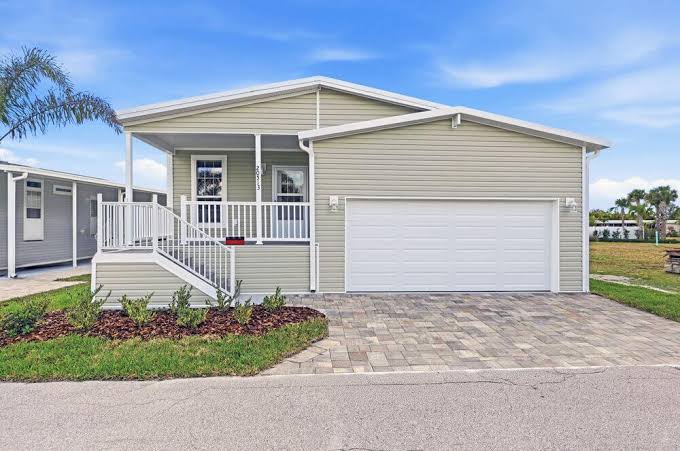
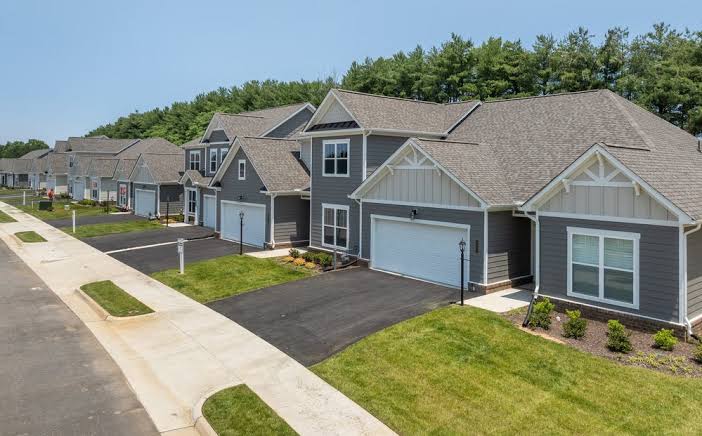
Fiber cement siding has become a popular alternative to traditional wood siding because of its durability and resistance to environmental damage.
It can handle:
- Moisture exposure
- Temperature changes
- Insects
- Fire risks better than many traditional materials
It can also replicate the appearance of wood while requiring less maintenance.
Although installation can cost more than some siding options, its long lifespan makes it attractive for homeowners looking for durability.
Composite Decking
Outdoor decks traditionally required regular staining, sealing, and repairs. Composite decking changed this by combining recycled materials and synthetic components to create a more durable surface.
Benefits include:
- Resistance to rot
- Lower cleaning requirements
- Better moisture resistance
- Reduced need for refinishing
For homeowners who want outdoor living spaces without yearly maintenance work, composite decking has become a practical option.
Metal Roofing
Metal roofing has gained attention because of its long lifespan and resistance to harsh weather.
Compared with some traditional roofing materials, metal roofs can offer:
- Better durability
- Resistance to wind damage
- Lower replacement frequency
- Improved energy performance when properly designed
The higher installation cost can be balanced by reduced maintenance and longer service life.
Quartz Countertops
In kitchens and bathrooms, homeowners are moving away from materials that require regular sealing and special care.
Quartz countertops are popular because they provide:
- High durability
- Stain resistance
- Easy cleaning
- Consistent appearance
They offer the look of natural stone while reducing maintenance requirements.
Low-Maintenance Materials and Busy Modern Lifestyles
Lifestyle changes are another major reason behind this trend. Many homeowners have less time available for regular property maintenance.
People are looking for homes that support their lifestyle instead of creating additional responsibilities.
Low-maintenance materials are especially attractive for:
- Working families
- Older homeowners
- Rental property owners
- Vacation homeowners
- People managing multiple properties
A home that requires fewer repairs and less routine care can provide more convenience and reduce stress.
How Low-Maintenance Materials Support Sustainability
Durability and sustainability often work together. Materials that last longer reduce the need for frequent replacements, which can lower waste from construction and demolition.
A longer-lasting product can mean:
- Fewer discarded materials
- Less manufacturing demand
- Reduced transportation needs
- Lower resource consumption over time
However, homeowners should also consider how materials are produced, recycled, and disposed of at the end of their lifespan.
A truly sustainable choice balances durability with responsible manufacturing.
Common Mistakes When Choosing Low-Maintenance Materials
While low-maintenance materials offer many benefits, homeowners should avoid making decisions based only on marketing claims.
Some important factors to evaluate include:
Ignoring Installation Quality
Even the best materials can fail if installed incorrectly. Proper installation affects durability, performance, and warranty protection.
Choosing Appearance Over Performance
A material may look attractive but perform poorly in a specific climate. Homeowners should consider local weather conditions before making a decision.
Not Checking Long-Term Costs
A low purchase price does not always mean better value. Maintenance needs and lifespan should always be part of the comparison.
Forgetting Repair Availability
Some specialized materials may be harder to repair or replace in certain regions. Homeowners should consider future accessibility before choosing uncommon products.
The Future of Low-Maintenance Home Construction
The demand for easier-to-maintain homes is expected to continue growing. Manufacturers are developing materials with improved durability, energy efficiency, and smart features.
Future building materials may include:
- Self-cleaning surfaces
- More weather-resistant coatings
- Recyclable composite materials
- Smart materials that monitor performance
- Advanced protective finishes
As homeowners become more informed about long-term costs, material choices will increasingly focus on performance rather than just appearance.
Final Thoughts
The move toward low-maintenance building materials reflects a major change in how homeowners approach property ownership. Instead of choosing products based only on upfront affordability or visual appeal, more people are considering durability, maintenance requirements, and long-term financial impact.
While these materials may require a larger initial investment, they can provide significant value through fewer repairs, reduced upkeep, and longer service life. For homeowners planning renovations or new construction, selecting durable materials can create a home that remains comfortable, attractive, and cost-effective for many years.
Low-maintenance building materials are not simply a trend. They represent a practical approach to modern home improvement where convenience, savings, and durability come together.