Self-Healing Concrete and Advanced Building Materials: Are Future Homes Becoming More Durable?
For thousands of years, concrete has been one of the most widely used construction materials in the world. From homes and roads to bridges and commercial buildings, it provides strength, stability, and long-term structural support. However, even one of the strongest building materials has a major weakness: it can crack over time.
Small cracks in concrete may seem harmless at first, but they can allow water, chemicals, and moisture to enter the structure. Over years, these small problems can lead to corrosion, weakening, and expensive repairs. This challenge has encouraged researchers and construction professionals to explore a new generation of materials designed to last longer.
Self-healing concrete and advanced building materials are becoming important topics in modern construction. These innovations aim to reduce maintenance costs, improve building durability, and create homes that can better handle environmental stress. While these technologies are still developing, they may significantly influence how future homes are designed and maintained.
What Is Self-Healing Concrete?
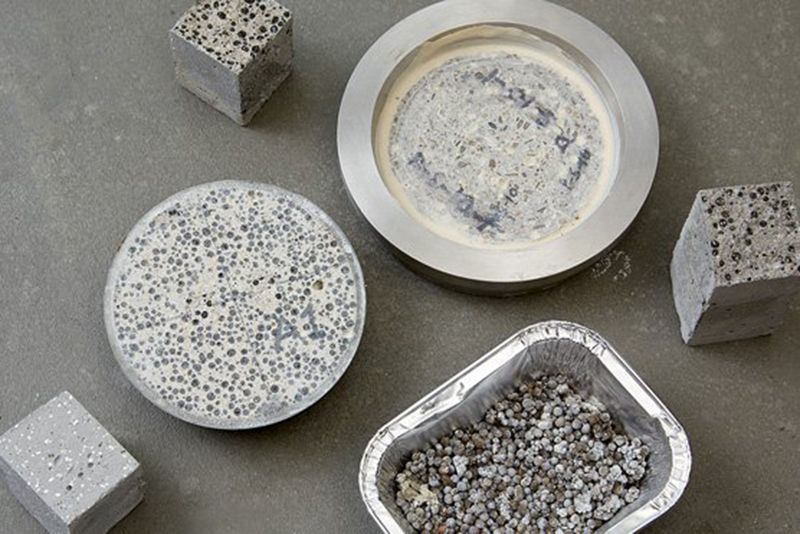
Self-healing concrete is an advanced type of concrete that can repair small cracks automatically without requiring traditional repair methods.
Unlike normal concrete, which needs external materials and labor to fix damage, self-healing concrete contains special components that activate when cracks appear.
The goal is not to make concrete completely indestructible but to extend its lifespan by slowing down damage before it becomes a serious structural issue.
Different approaches are being researched and developed, including:
- Bacteria-based healing systems
- Chemical healing agents
- Microcapsule technology
- Mineral-based repair methods
- Carbon-based materials
Each method works differently, but the main idea remains the same: create concrete that can respond to damage instead of simply deteriorating.
How Does Self-Healing Concrete Repair Cracks?
One of the most interesting approaches involves using special bacteria inside concrete.
These bacteria remain inactive while the concrete is healthy. When a crack forms and water enters, the bacteria become active and produce limestone-like materials that fill the crack.
This process helps seal small openings and prevents further moisture penetration.
Another method uses tiny capsules filled with healing substances. When concrete cracks, these capsules break open and release materials that react and repair the damaged area.
Some researchers are also exploring materials that encourage natural mineral growth inside cracks, creating a stronger barrier against future damage.
Why Concrete Durability Matters in Modern Homes
Homeowners often focus on visible features such as flooring, paint, kitchens, and furniture. However, the durability of a home’s structure plays a much bigger role in long-term value.
Concrete damage can affect:
- Foundations
- Driveways
- Basements
- Walls
- Garages
- Outdoor structures
- Retaining walls
Repairing these areas can become expensive because structural problems are usually more complicated than cosmetic upgrades.
A more durable construction material could help homeowners reduce maintenance requirements and protect their investment for longer periods.
Benefits of Self-Healing Concrete for Future Homes
Reduced Maintenance Costs
One of the biggest advantages of self-healing concrete is its potential to reduce repair expenses.
Traditional concrete structures require regular inspections and repairs when cracks become visible. Self-healing materials could minimize the need for frequent maintenance by addressing minor damage automatically.
For homeowners, this could mean fewer repair projects and lower long-term ownership costs.
Longer Building Lifespan
Buildings are expected to last decades, but environmental conditions can shorten their lifespan.
Factors such as:
- Heavy rainfall
- Freeze and thaw cycles
- Coastal salt exposure
- Temperature changes
- Soil movement
can slowly damage concrete structures.
Self-healing technology could help buildings maintain their strength for a longer period by preventing small issues from developing into major failures.
Improved Sustainability
Construction has a significant environmental impact, especially because producing cement requires large amounts of energy and releases carbon emissions.
If buildings last longer, fewer repairs and replacements are required. This reduces material consumption and waste.
Advanced concrete technologies may support more sustainable construction by increasing durability rather than constantly replacing damaged structures.
Other Advanced Building Materials Changing Construction
Self-healing concrete is only one example of how building materials are evolving. Many new technologies are being developed to improve efficiency, comfort, and durability.
Carbon-Fiber Reinforced Materials
Carbon fiber is extremely strong and lightweight. It is increasingly used in construction applications where traditional materials may not provide enough strength without adding extra weight.
These materials can help improve structural performance in certain buildings and renovation projects.
Transparent Wood
Researchers have developed modified wood materials that allow light to pass through while maintaining strength.
Transparent wood could eventually become an alternative material for windows, walls, and energy-efficient designs.
High-Performance Insulation Materials
Modern insulation technology is improving rapidly. New materials are designed to provide better thermal protection while using less space.
Better insulation helps homes maintain comfortable temperatures and reduce energy consumption.
Smart Building Materials
Some future materials may include built-in sensors that monitor structural conditions.
These materials could detect:
- Pressure changes
- Temperature variations
- Moisture levels
- Early signs of damage
This information could help homeowners and professionals identify problems before they become expensive repairs.
Challenges Preventing Widespread Use
Although advanced building materials offer exciting possibilities, several challenges remain.
Higher Initial Costs
New technologies often cost more than traditional materials during early adoption. Many homeowners and builders consider upfront expenses before choosing construction options.
However, if these materials reduce future maintenance costs, the overall value may improve over time.
Limited Real-World Testing
Traditional concrete has been used for generations, giving builders confidence about its performance. New materials need extensive testing to understand how they perform over decades.
Construction professionals need reliable information before replacing familiar materials with newer alternatives.
Building Regulations and Standards
Construction regulations are designed to ensure safety and quality. New materials must meet strict standards before becoming common in residential projects.
As research continues and more projects demonstrate successful results, building codes may gradually adapt.
Will Future Homes Use Self-Healing Materials?
Future homes will likely combine traditional construction methods with advanced technologies rather than completely replacing existing materials.
A modern house may include:
- Self-healing concrete foundations
- Smart monitoring systems
- Energy-efficient insulation
- Automated maintenance technology
- Sustainable building materials
The goal is not simply creating stronger buildings but creating homes that require less maintenance, consume fewer resources, and provide better long-term performance.
Final Thoughts
Self-healing concrete and advanced building materials represent an important shift in the construction industry. Instead of designing homes that only withstand damage, engineers are exploring ways to create buildings that can respond and adapt.
Although self-healing concrete is still developing, its potential benefits are significant. Longer-lasting structures, reduced repair costs, and more sustainable construction practices could change how future homes are built.
As technology continues to improve, the homes of tomorrow may become more durable, intelligent, and efficient than ever before. The idea of buildings that can partially repair themselves is no longer just a concept from science fiction; it is becoming a realistic possibility for the future of construction.