Choosing the Right Home Insulation Upgrade Based on Climate, Building Age, and Energy Goals
Home insulation is one of the most important factors that affects comfort, energy efficiency, and long-term property costs. Many homeowners think insulation is only about keeping a house warm during winter, but modern insulation solutions do much more. The right insulation helps control indoor temperatures, reduce energy waste, improve air quality, and protect the building structure from moisture-related problems.
However, choosing insulation is not as simple as buying the thickest material available. The best option depends on several factors, including your local climate, the age of your home, existing construction materials, budget, and personal energy goals.
A new home in a hot region may require a completely different insulation approach compared to an older house in a cold climate. Understanding these differences helps homeowners make smarter upgrades instead of spending money on solutions that do not provide the expected results.
Why Home Insulation Matters More Than Ever
Energy prices, changing weather conditions, and increasing focus on sustainable living have made insulation a major consideration for homeowners. A poorly insulated home allows heat to move in and out easily, forcing heating and cooling systems to work harder.
During summer, unwanted outdoor heat enters the home, making air conditioners run longer. During winter, indoor heat escapes through walls, roofs, and floors, increasing heating costs.
Proper insulation creates a thermal barrier that slows down heat transfer. This means:
- Homes stay cooler during hot weather
- Indoor temperatures remain more stable
- Heating and cooling systems experience less stress
- Monthly energy bills can decrease
- Living spaces become more comfortable
A well-insulated home is not only more efficient but can also have better long-term value in the real estate market.
Understanding Your Climate Before Choosing Insulation
Climate is one of the biggest factors when selecting insulation. A material that works well in a cold region may not provide the same benefits in a hot and humid environment.
Insulation for Hot Climates
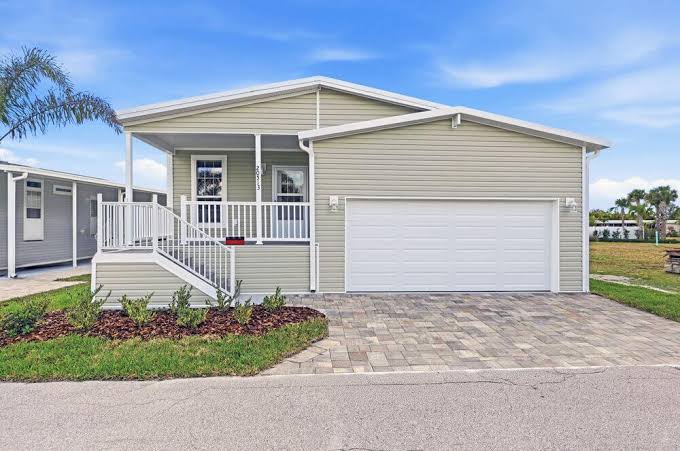
Homes located in warmer areas often struggle with excessive heat entering through roofs, walls, and windows. In these regions, insulation focuses on reducing heat gain.
Common priorities include:
- Reflecting solar heat
- Reducing heat movement through roofs
- Managing indoor humidity
- Improving air conditioning efficiency
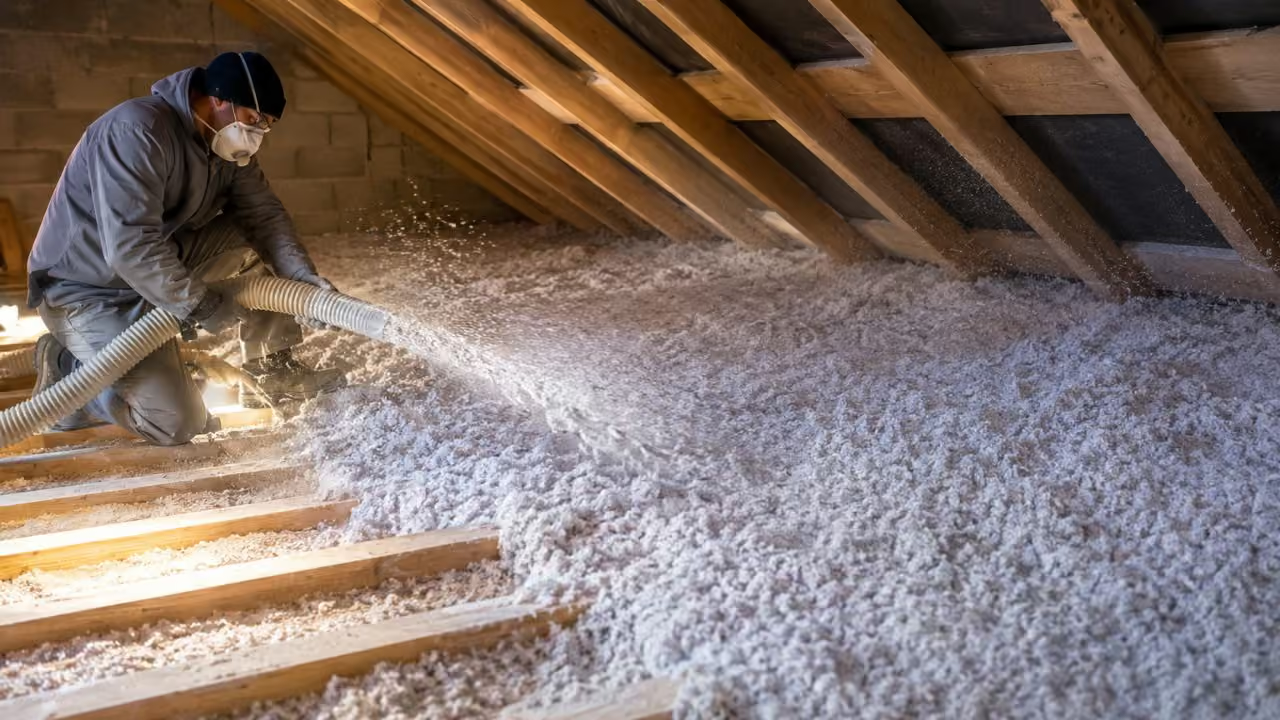
Attic insulation is especially important because roofs receive direct sunlight for many hours. Materials such as reflective insulation, spray foam, and certain rigid boards can help reduce heat transfer.
Insulation for Cold Climates
In colder regions, the main goal is preventing indoor heat loss. Walls, attics, basements, and floors often require strong insulation protection.
Important considerations include:
- Higher insulation thickness
- Proper air sealing
- Moisture control
- Protection against drafts
Materials like fiberglass, mineral wool, and spray foam are commonly used because they provide strong thermal resistance.
Insulation for Mixed or Changing Climates
Some areas experience both hot summers and cold winters. Homes in these locations need balanced insulation that performs throughout the year.
The focus should be on:
- Maintaining stable indoor temperatures
- Controlling moisture
- Improving overall building efficiency
Choosing Insulation Based on Your Home’s Age
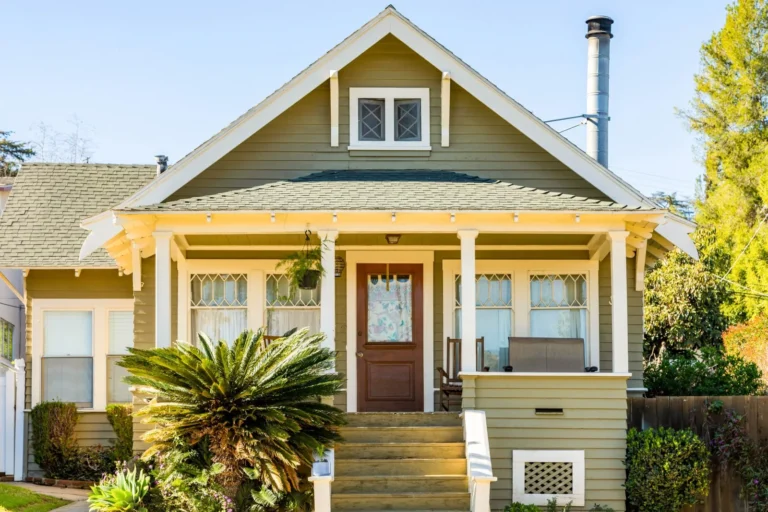
The age of a home plays a major role in deciding which insulation upgrade makes sense. Older properties often have outdated materials, gaps, or areas where insulation has degraded over time.
Older Homes Built Before Modern Energy Standards
Many older homes were constructed when energy efficiency was not a major priority. These properties may have:
- Thin wall insulation
- Poor air sealing
- Uninsulated attics
- Aging construction materials
For older homes, a complete inspection is usually the best starting point. Adding insulation without understanding existing conditions can sometimes create problems, especially if moisture issues already exist.
Possible upgrades include:
- Attic insulation improvements
- Wall cavity insulation
- Basement or crawl space insulation
- Air sealing around windows and doors
Mid-Age Homes
Homes built several decades ago may already have some insulation but often fall below current efficiency standards.
Common improvements include:
- Increasing attic insulation thickness
- Replacing damaged insulation
- Adding insulation around problem areas
- Improving ventilation systems
These upgrades can often provide noticeable comfort improvements without major renovation work.
Newer Homes
Modern homes usually include insulation designed according to current building standards. However, homeowners may still upgrade insulation for better performance.
Examples include:
- Higher-performance materials
- Better air sealing
- Smart energy improvements
- Specialized insulation for extreme climates
Newer homes may benefit more from targeted improvements rather than full insulation replacement.
Popular Home Insulation Options Explained
Different insulation materials offer different advantages. The right choice depends on performance needs, installation conditions, and budget.
Fiberglass Insulation
Fiberglass is one of the most common insulation materials because it is affordable and widely available.
Advantages include:
- Lower installation cost
- Good thermal performance
- Suitable for walls and attics
- Easy replacement
However, fiberglass performance can decrease if it becomes compressed or exposed to moisture.
Spray Foam Insulation
Spray foam expands after application and creates a strong air barrier. It is popular for homeowners seeking maximum sealing performance.
Benefits include:
- Reducing air leaks
- Filling small gaps
- Improving energy efficiency
- Providing strong moisture resistance
The main limitation is that it usually costs more than traditional insulation options.
Mineral Wool Insulation
Mineral wool is known for durability and fire resistance.
It offers:
- Good sound control
- High temperature resistance
- Moisture tolerance
- Long lifespan
It is often used in projects where safety and durability are important.
Rigid Foam Boards
Rigid foam insulation is commonly used in walls, roofs, foundations, and areas where space is limited.
Advantages include:
- High insulation value
- Moisture resistance
- Thin installation profile
It is especially useful for renovation projects where adding thick insulation is difficult.
Matching Insulation Upgrades With Energy Goals
Not every homeowner has the same reason for upgrading insulation. Some want lower energy bills, while others want better comfort or environmental benefits.
Goal: Lower Energy Costs
Focus on areas where the most energy loss occurs, such as:
- Attics
- Roof systems
- Air leaks
- Poorly insulated walls
A professional energy assessment can help identify the biggest opportunities.
Goal: Improve Comfort
If certain rooms feel too hot or cold, targeted insulation improvements may solve the problem.
Common areas include:
- Exterior walls
- Floors above garages
- Rooms with poor temperature control
Goal: Create a More Sustainable Home
Homeowners interested in sustainability may consider insulation materials with lower environmental impact.
Important factors include:
- Material lifespan
- Manufacturing impact
- Energy savings over time
- Recycling possibilities
Common Insulation Mistakes Homeowners Should Avoid
Choosing the wrong insulation approach can reduce performance and create future problems.
Some common mistakes include:
Installing Insulation Without Fixing Air Leaks
Small gaps around windows, doors, pipes, and electrical openings can allow air movement even with good insulation.
Ignoring Moisture Problems
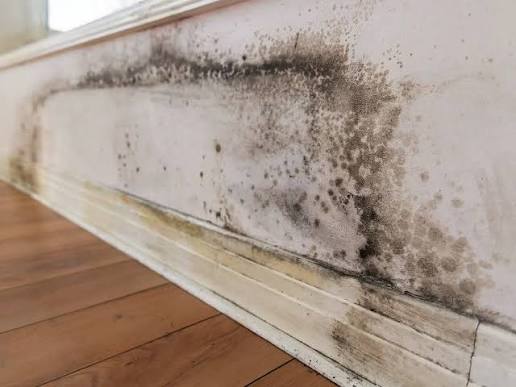
Wet insulation loses effectiveness and can contribute to mold growth. Moisture issues should always be addressed before installation.
Focusing Only on One Area
Adding insulation to the attic while ignoring major air leaks elsewhere may limit the overall improvement.
Choosing Based Only on Price
The cheapest option may not provide the best long-term value. Durability, performance, and installation quality are equally important.
Final Thoughts
Choosing the right home insulation upgrade requires more than selecting a popular material. Climate conditions, building age, existing problems, and personal energy goals all influence the best solution.
A successful insulation project starts with understanding how your home currently performs and identifying where improvements will create the biggest impact. Whether the goal is reducing energy bills, improving comfort, or preparing a property for the future, the right insulation strategy can make a noticeable difference.
As homes become more focused on efficiency and sustainability, insulation will continue to play a major role in creating comfortable, affordable, and resilient living spaces.