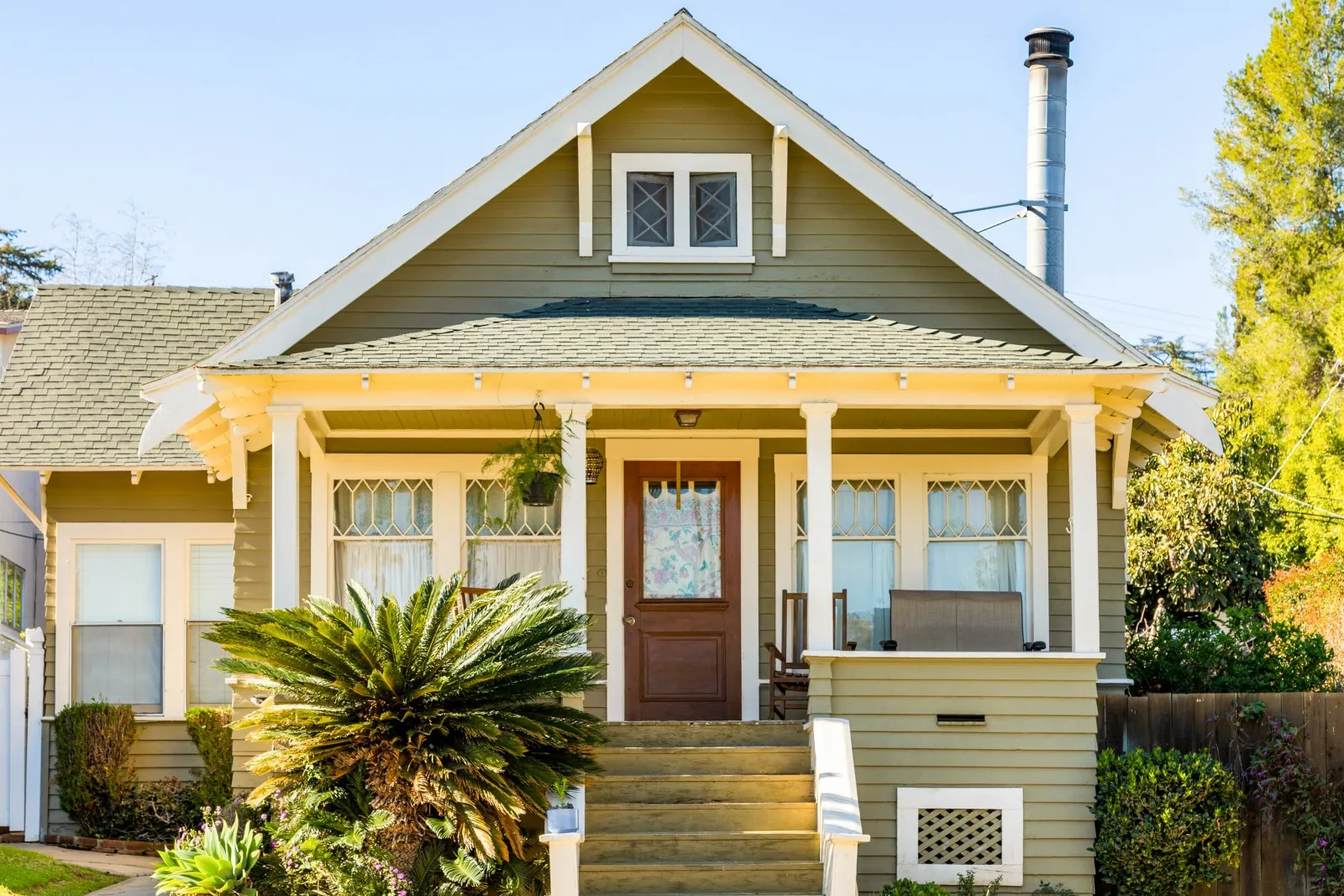
How to Evaluate a Home Before Buying: A Deep Inspection Checklist Beyond Visual Appearance
Buying a home is one of the biggest financial decisions most people make. While a property may look perfect during a quick visit, many important problems remain hidden behind walls, under floors, inside plumbing systems, or within electrical components. Fresh paint, modern furniture, and attractive designs can create a strong first impression, but they do not always reveal the true condition of a house.
A proper home evaluation goes beyond checking room sizes and appearance. It involves understanding the property’s structure, systems, maintenance history, safety concerns, and possible future expenses. A detailed inspection before purchasing helps buyers avoid unexpected repair costs and make a more confident decision.
Why Looking Beyond Appearance Matters
Many home buyers focus on visible features such as kitchen design, flooring, lighting, and outdoor appearance. These elements are important, but they are usually easier and cheaper to change compared to structural or system-related issues.
A house may have:
- A beautiful interior but outdated electrical wiring
- New flooring covering damaged subfloors
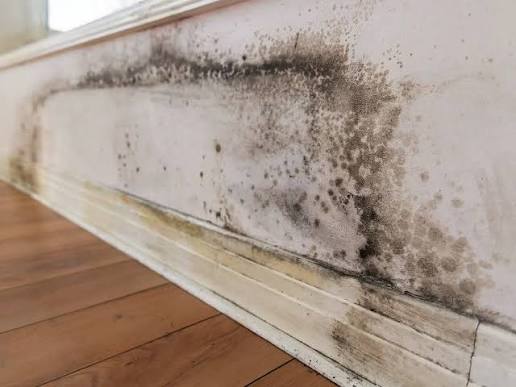
- Fresh paint hiding moisture problems
- A renovated kitchen with old plumbing connections
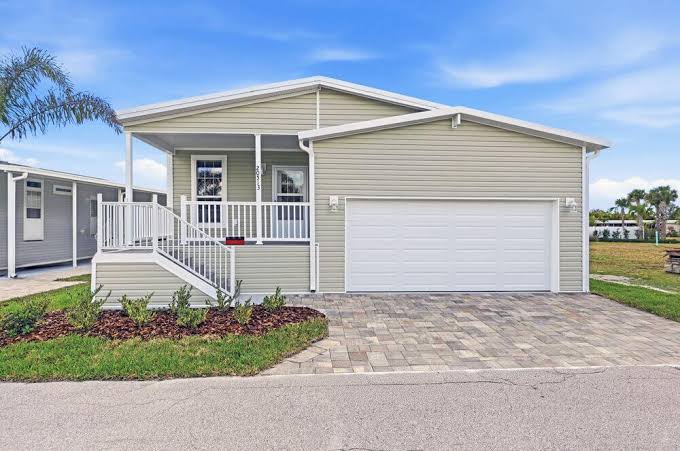
- A clean exterior with roof damage
The purpose of a deep home evaluation is to understand what you are actually buying, not just what is presented during a showing.
Start With the Overall Condition of the Property
Before examining individual systems, take a complete look at the property’s general condition. Walk around the home slowly and observe details that may indicate larger problems.
Pay attention to:
- Uneven floors
- Cracks in walls or ceilings
- Doors that do not close properly
- Windows that are difficult to open
- Signs of previous repairs
- Water stains
- Unusual smells
Small signs can sometimes indicate bigger issues. For example, a door that suddenly becomes difficult to close may suggest movement in the structure rather than a simple hardware problem.
Inspect the Foundation and Structural Elements
The foundation is one of the most important parts of any home because it supports the entire structure. Foundation repairs can be expensive, so buyers should carefully evaluate possible warning signs.
Look for:
- Large cracks in foundation walls
- Uneven areas around the property
- Gaps between walls and floors
- Sloping floors
- Cracks around doors and windows
Not every crack means a serious problem. Small cosmetic cracks can occur naturally, but large or growing cracks may require professional evaluation.
Also examine the basement, crawl space, or lower levels if available. These areas often reveal moisture issues, structural movement, or ventilation problems that are not visible elsewhere.
Evaluate the Roof Condition
A roof protects the entire home from weather damage, but many buyers overlook it because it is not always easy to inspect.
Important roof checks include:
- Age of the roof
- Missing or damaged shingles
- Signs of leaks
- Poor drainage areas
- Damaged flashing around vents and chimneys
- Excessive moss or moisture buildup
A roof replacement can be a major expense. Ask the seller about installation dates, previous repairs, and available warranties.
Check Plumbing Systems Carefully
Plumbing problems are among the most common hidden issues in homes. A small leak can eventually lead to mold growth, damaged walls, and expensive repairs.
During evaluation, check:
- Water pressure from faucets
- Drain speed
- Pipe condition
- Water heater age
- Signs of leaks under sinks
- Rust or corrosion around fixtures
Run water in different parts of the house to understand how the system performs. Look for unusual noises, slow drainage, or inconsistent water temperature.
A professional inspection may also check hidden pipes using specialized tools if there are concerns.
Examine Electrical Systems and Safety Features
Electrical issues can create safety risks and unexpected costs. Older homes may have outdated wiring that cannot support modern appliances and technology.
Review:
- Electrical panel condition
- Circuit breaker labels
- Outlet availability
- Signs of overheating
- Exposed wiring
- Grounding systems
Check whether the electrical system matches the home’s size and current needs. A house with multiple renovated rooms may still have an outdated electrical foundation.
Safety devices should also be inspected, including:
- Smoke detectors
- Carbon monoxide detectors
- Outdoor lighting
- Ground fault protection in wet areas
Assess Heating, Cooling, and Ventilation Systems
Heating and cooling systems represent a significant part of home comfort and energy expenses.
Before buying, determine:
- The age of HVAC equipment
- Maintenance history
- Energy efficiency rating
- Strange sounds or odors
- Airflow quality
A system that appears functional may still be inefficient or near the end of its lifespan.
Also consider ventilation. Poor airflow can contribute to humidity problems, uncomfortable rooms, and indoor air quality issues.
Look for Moisture and Water Damage
Water damage is one of the most important things to identify before purchasing a property. Even small moisture problems can become serious over time.
Check areas such as:
- Bathrooms
- Kitchens
- Basements
- Around windows
- Ceilings below bathrooms
- Areas near exterior walls
Warning signs include:
- Musty odors
- Discoloration
- Peeling paint
- Swollen wood
- Mold-like growth
Moisture issues may come from leaks, poor drainage, condensation, or waterproofing failures.
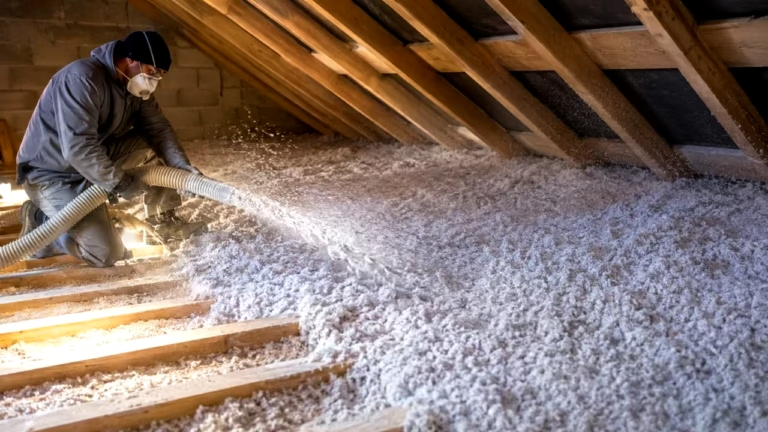
Review Insulation and Energy Efficiency
Energy performance affects long-term ownership costs. A home with poor insulation may require more heating and cooling throughout the year.
Evaluate:
- Attic insulation levels
- Window quality
- Door seals
- Drafty areas
- Energy bills from previous owners
Modern energy improvements can increase comfort and reduce expenses, but knowing the current condition helps buyers plan future upgrades.
Check Outdoor Areas and Property Drainage
The exterior of a home can reveal problems that affect the inside.
Inspect:
- Driveways and walkways
- Gutters and downspouts
- Landscaping slope
- Fences
- Outdoor structures
- Drainage patterns
Water should move away from the foundation. Poor drainage can contribute to basement moisture, foundation damage, and landscape erosion.
Review Maintenance Records and Renovation History
A home’s history can provide valuable information about its condition. Ask the seller for records related to:
- Repairs
- Replacements
- Renovations
- Appliance servicing
- Roof work
- Plumbing or electrical upgrades
A well-maintained older home may be a better purchase than a newer property with poor maintenance.
Consider Hiring a Professional Home Inspector
While buyers can perform their own evaluation, a professional home inspector brings experience and specialized knowledge. They can identify issues that are easy to miss during a normal walkthrough.
A detailed inspection report can help buyers:
- Understand repair priorities
- Estimate future costs
- Negotiate with sellers
- Avoid risky purchases
The cost of an inspection is usually small compared to the potential expense of discovering major problems after buying.
Final Thoughts
Evaluating a home before buying requires more than judging its appearance. A property should be viewed as a complete system where structure, materials, technology, and maintenance history all work together.
A deep inspection checklist helps buyers identify hidden problems, understand future responsibilities, and make smarter financial decisions. Taking time to examine the foundation, roof, plumbing, electrical systems, moisture conditions, and energy efficiency can prevent costly surprises and provide greater confidence in one of life’s biggest investments.