What Actually Makes a Flight Pillow Worth Packing
Anyone who has landed after a red eye with a stiff neck and a groggy head knows the gap between a pillow that looks supportive in a product photo and one that actually holds up for six or eight hours of real sleep. The airline seat was never designed with sleep in mind, and a flat cabin pillow or a bunched up jacket rarely fixes the core problem, which is keeping the head from tipping sideways or forward once the body relaxes. A dedicated flight pillow is meant to solve exactly that, but not every design does it equally well. This article breaks down what separates a genuinely useful flight pillow from one that just sits around your neck without doing much, and how to think about the choice based on how and where you actually fly.
The Real Job of a Flight Pillow
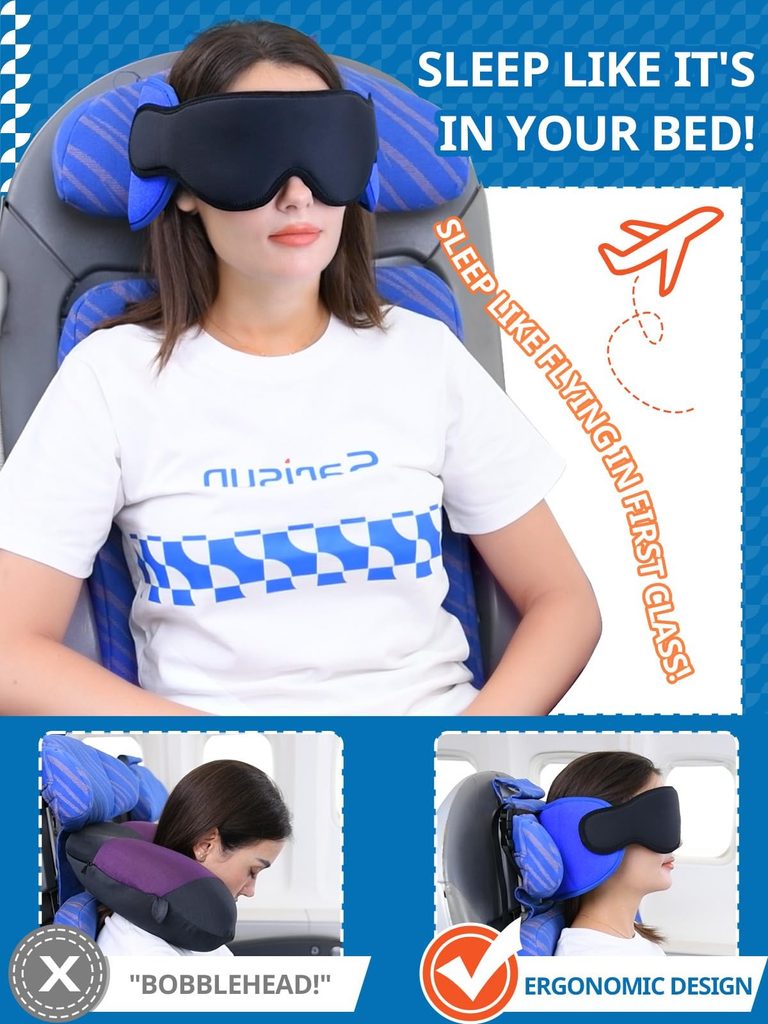
A flight pillow has one core task, keeping the head supported through the natural forward or sideways drift that happens once someone falls asleep sitting up. Plenty of pillows look supportive while you are awake and upright, but the real test comes only after several hours, once muscles fully relax and gravity takes over. That is when a poorly shaped pillow lets the head slide forward into a chin-to-chest position, or lean hard to one side against the window, both of which lead to the stiff, achy neck that makes the first hour after landing miserable.
Shape and Fit Matter More Than Cushioning
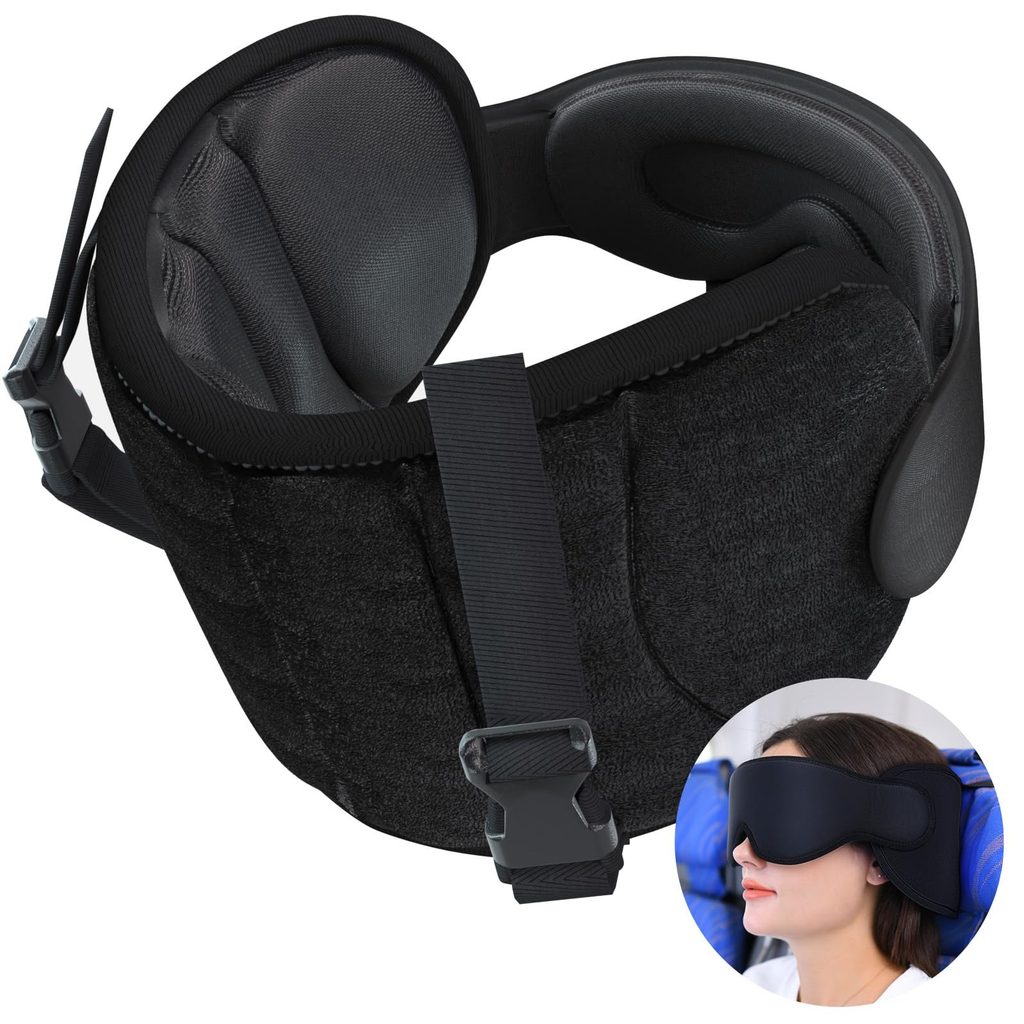
It is tempting to judge a pillow by how soft or thick it feels in the store or in photos, but shape does more work than raw cushioning ever will. A well contoured flight pillow wraps around the sides of the neck rather than just resting behind it, which is what actually stops the head from tipping in either direction once you doze off. Extra padding without the right shape just adds bulk to your carry on without solving the underlying stability problem, so it is worth prioritizing contour and fit over sheer softness when comparing options.
Sizing for Your Own Neck and Shoulders
Body proportions vary more than most travelers expect, and a pillow sized for an average adult can feel loose or tight depending on your own neck length and shoulder width. A pillow that is too large tends to push the head forward awkwardly, while one that is too small leaves gaps that let the head slip through anyway. Trying a pillow on before a long trip, rather than assuming one size fits everyone, saves a lot of frustration mid flight.

Packability for Frequent Travel
For people who travel often, a pillow that compresses down small enough to clip onto a backpack or slide into a side pocket matters almost as much as comfort itself. Bulky pillows that eat up carry on space become annoying fast, especially on trips involving multiple flights or tight overhead bin space. Compressible designs with a simple strap or clip solve this without sacrificing the support that makes the pillow worth bringing in the first place.
Matching the Pillow to Your Flight Pattern
Someone taking one long haul flight a year has different needs than someone hopping between short regional flights every week. Long overnight flights reward a fuller, more enclosing shape since the goal is genuine sleep over many hours. Shorter flights or frequent commuter routes often favor a lighter, lower profile pillow that is quick to put on and take off without much fuss. Sarisun designs its flight pillows with this range of travel patterns in mind, aiming for support that works whether the trip is a quick hop or an overnight haul.
Choosing Support That Holds Up Mid Flight
A flight pillow earns its spot in your bag by doing one thing well, keeping your head steady once you actually fall asleep rather than just looking comfortable while you are still awake. Shape, proper sizing, and how easily it packs away all matter more than surface level softness when it comes to real world results. Thinking through your own typical flights, whether that means long overnight hauls or frequent short hops, makes it much easier to land on a pillow that earns its place in your carry on trip after trip.